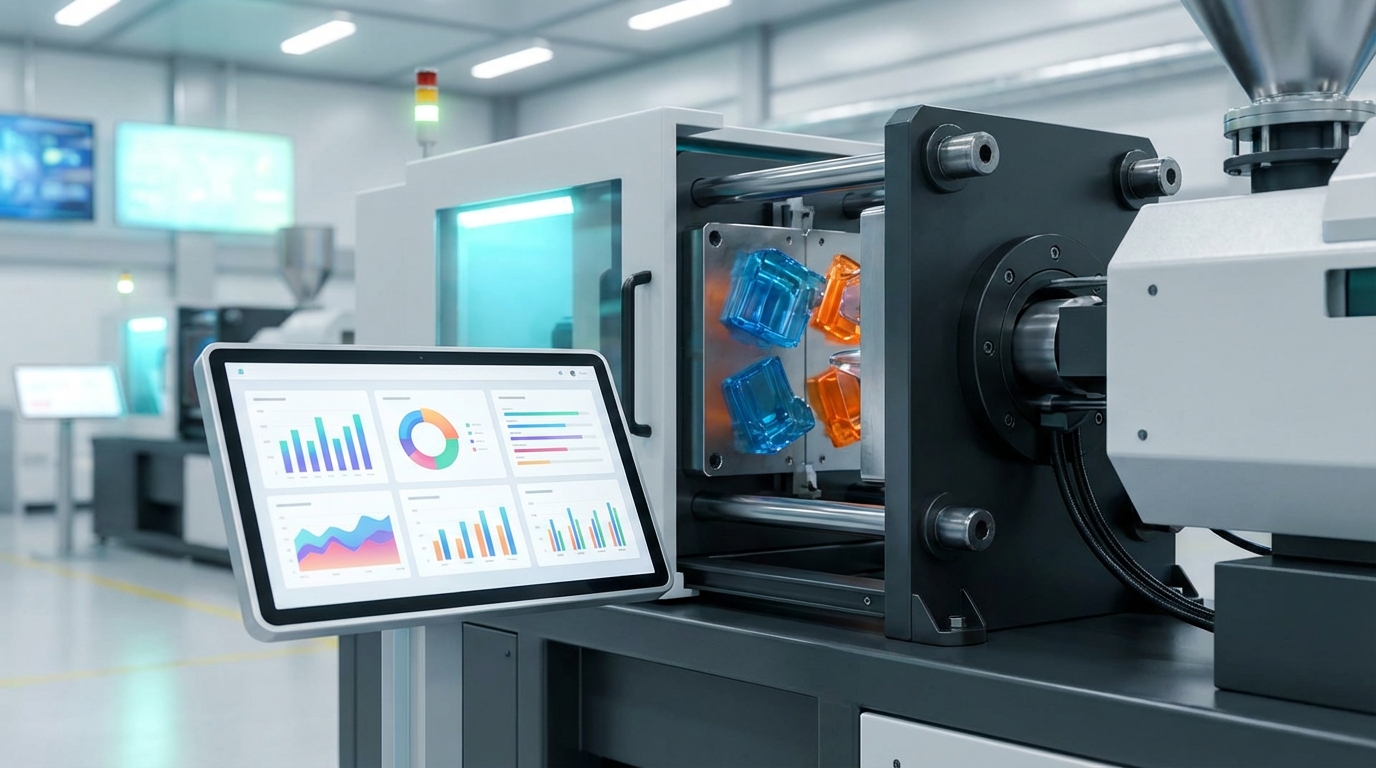
The High-Pressure Reality of Injection Molding
The plastic injection molding industry is a high-stakes balancing act where fractions of a second in cycle time and fractions of a cent in material cost determine profitability. Manufacturers face intense pressure from fluctuating resin prices, demanding customer delivery schedules, and the constant need to maintain quality standards while minimizing scrap.
Trying to manage this complex environment with disjointed spreadsheets, legacy accounting software, and isolated shop floor systems is a recipe for chaos. As molding companies grow, the manual processes that once worked become bottlenecks to scalability. Enter Enterprise Resource Planning (ERP) specialized for the unique demands of plastics manufacturing.
Beyond Generic Manufacturing: The Need for Specialized ERP
Generic ERP systems often fail in plastic injection molding because they don’t understand the fundamental units of the molding process: molds, cavities, resins, and colorants. An industry-specific ERP isn’t just about accounting; it’s about connecting the top floor to the shop floor in real-time.
Here is how a tailored enterprise ERP transforms core molding operations:
1. Taming Complex Scheduling and Molding
Scheduling in injection molding is notoriously difficult. You aren’t just scheduling a machine; you are scheduling a specific mold, potentially with varying cavitation, running a specific material. A robust ERP system handles these complexities intrinsically.
- Mold Management: Track mold life, cycle counts, and preventative maintenance schedules to prevent unexpected downtime.
- Family Molding: Properly manage inventory and costs when one cycle produces multiple different parts simultaneously.
- Real-Time Visibility: Integrate with shop floor machines (MES) to see exactly what is running, cycle speeds, and immediate scrap counts.
2. Material Management and the “Regrind” Loop
Material typically constitutes the largest portion of a molder’s cost of goods sold. Managing virgin resin inventory is challenging enough, but plastic injection molding has a unique variable: regrind.
An effective ERP system allows manufacturers to track regrind usage accurately. It ensures that the percentage of regrind allowed by the customer specification is not exceeded and that scrap material is properly accounted for, reprocessed, and put back into inventory rather than lost. Furthermore, it provides end-to-end lot traceability—crucial for medical or automotive molders requiring ISO compliance—tracking a finished part all the way back to the specific barrel of resin it came from.
3. Precision Estimating and Job Costing
In a pennies-per-part business, inaccurate quoting kills profitability. If your resin costs fluctuate but your quotes don’t update instantly, you are losing money before the press even starts.
Enterprise ERP connects your estimating module directly to current inventory costs, machine rates, and labor burdens. It allows sales teams to generate accurate quotes based on realistic cycle times and material usage (including runner weights and scrap allowance), ensuring that every job won is actually profitable.
Conclusion: The Foundation for Scalable Growth
For plastic injection molding companies, moving from disparate systems to a unified enterprise ERP is not just an IT upgrade; it is an operational revolution. It replaces guesswork with data and firefighting with strategic planning.
By gaining control over scheduling complexities, mastering material traceability, and ensuring accurate costing, molders can protect their margins and build a foundation for sustainable growth in a fiercely competitive market.